


What colors work well for a DIY kids notebook?
When it comes to creating a DIY kids notebook, color selection plays a pivotal role. As a dedicated supplier of DIY kids notebooks, I've witnessed firsthand how the right colors can transform a simple notebook into a cherished item for children. In this blog, we'll explore which colors work well for DIY kids notebooks, taking into account psychological effects, age - appropriateness, and current trends.
Psychological Impact of Colors on Children
Colors have a profound psychological impact on children, influencing their emotions, moods, and even cognitive development. Understanding these effects can help us choose the most suitable colors for DIY kids notebooks.
-
Red: Red is a vibrant and energetic color. It can stimulate children's enthusiasm and increase their attention span. In a DIY kids notebook, red can be used as an accent color, perhaps for headings or borders. For example, a red - trimmed notebook can make important notes stand out, encouraging kids to engage more with their written content. However, too much red can be overwhelming, so it's best used sparingly.
-
Yellow: Yellow is associated with happiness, optimism, and creativity. It can brighten up a notebook and inspire children to think outside the box. A yellow - themed notebook can be ideal for art projects or creative writing. You could use yellow paper as the base or add yellow stickers and washi tapes to create a cheerful atmosphere.
-
Blue: Blue is a calming color that promotes concentration and focus. It's a great choice for notebooks used for studying or doing homework. Light blue, in particular, can create a soothing environment, reducing stress and anxiety. A blue - covered notebook with white or silver accents can give a clean and professional look, making it suitable for older kids.
-
Green: Green represents nature, growth, and harmony. It has a relaxing effect on the eyes and can help children feel at ease. A green - themed notebook can be a good option for nature journals or environmental projects. You can use different shades of green, from pastel to forest green, to add depth and interest.
-
Purple: Purple is often associated with royalty, mystery, and imagination. It can spark children's creativity and make them feel special. A purple notebook with gold or silver details can give a touch of luxury, making it appealing for girls. Purple can also be combined with other colors, such as pink or blue, to create a unique and eye - catching design.
Age - Appropriateness of Colors
Different age groups have different color preferences, and it's important to consider this when choosing colors for DIY kids notebooks.
-
Toddlers and Preschoolers: Young children are attracted to bright and bold colors. Primary colors like red, yellow, and blue are very popular among toddlers and preschoolers. These colors are easy for them to recognize and can capture their attention quickly. You can create a notebook with large, colorful pictures and simple text. For example, a red notebook with pictures of animals or cartoon characters can be very appealing to this age group.

-
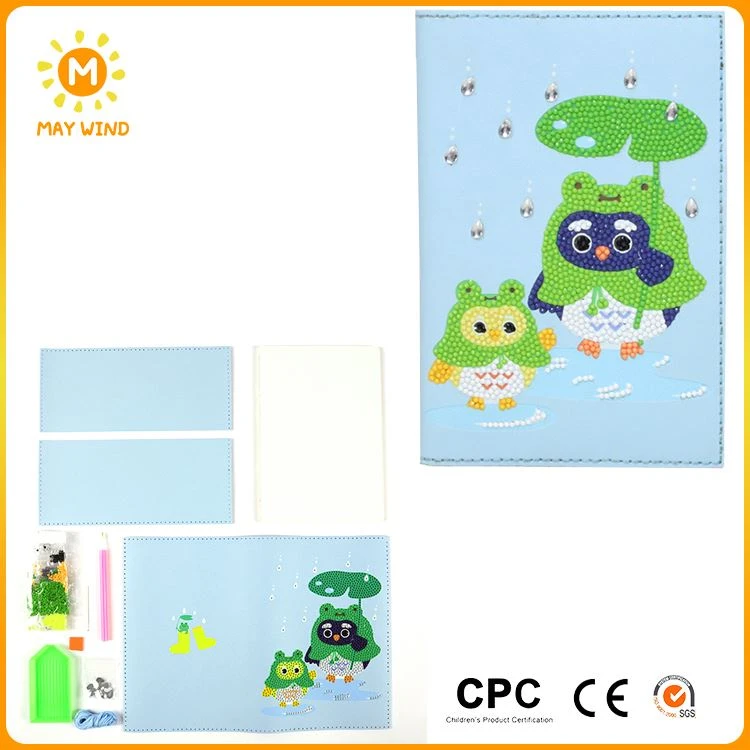
Elementary School - aged Children: As children grow older, their color preferences start to become more diverse. They may start to like secondary colors and pastels. For elementary school - aged kids, colors like orange, green, and purple are often well - received. You can add more details and patterns to the notebook, such as polka dots or stripes. A cute DIY notebook with a pastel - colored cover and fun stickers can be a great choice for this age group. Check out Cute DIY Notebook for some inspiration.
-
Middle School and High School Students: Older kids tend to prefer more sophisticated colors. They may like muted tones or monochromatic schemes. Darker blues, grays, and blacks can give a more mature look. You can also use metallic colors, such as gold or silver, to add a touch of elegance. A DIY notebook for students with a sleek design and minimalistic color palette can be suitable for note - taking in class. Visit DIY Notebook For Students for more ideas.
Current Color Trends
Staying up - to - date with current color trends can make your DIY kids notebooks more appealing. Some of the popular color trends in recent years include:
-
Pastel Colors: Pastel colors have been very trendy in recent years. They give a soft and dreamy look, which is very popular among kids. You can create a pastel - colored notebook by using pastel paper, stickers, and washi tapes. A combination of pink, lavender, and mint green can create a beautiful and calming design.
-
Neon Colors: Neon colors are bright and eye - catching, making them a hit with kids. They can add a fun and energetic touch to a notebook. You can use neon markers or highlighters to decorate the notebook or add neon stickers. However, like red, too much neon can be overwhelming, so use it in moderation.
-
Earth Tones: Earth tones, such as brown, beige, and olive green, are becoming more popular. They give a natural and rustic look, which can be appealing for nature - themed notebooks or for kids who prefer a more subdued style. You can combine earth tones with other colors, such as yellow or blue, to create a warm and inviting design.
Combining Colors
Combining different colors can create a more interesting and visually appealing design. Here are some color combinations that work well for DIY kids notebooks:
-
Complementary Colors: Complementary colors are colors that are opposite each other on the color wheel. For example, red and green, blue and orange, and yellow and purple are complementary colors. Using complementary colors can create a high - contrast and eye - catching design. However, make sure not to overdo it, as too much contrast can be hard on the eyes.
-
Analogous Colors: Analogous colors are colors that are next to each other on the color wheel. For example, red, orange, and yellow, or blue, green, and purple are analogous colors. Using analogous colors can create a harmonious and soothing design. You can use different shades of the same color family to add depth and interest.
-
Monochromatic Colors: Monochromatic colors are different shades and tints of the same color. For example, a notebook with different shades of blue, from light blue to dark blue, can give a clean and sophisticated look. Monochromatic color schemes are easy to achieve and can be very effective in creating a cohesive design.
Our Role as a DIY Kids Notebook Supplier
As a DIY kids notebook supplier, we offer a wide range of materials and resources to help you create the perfect notebook. We have high - quality papers in various colors, including all the colors we've discussed above. Our papers are durable and can withstand the wear and tear of kids' use. We also provide stickers, washi tapes, and other decorative items in different colors and designs.
Whether you're a parent looking to create a special notebook for your child, a teacher planning a DIY project for your students, or a retailer interested in stocking our products, we can meet your needs. You can visit Make Own Notebook to learn more about the process of creating your own notebook with our materials.
If you're interested in purchasing our products for your DIY projects or for resale, we'd love to have a conversation with you. We're open to discussing bulk orders, custom designs, and any other specific requirements you may have. Feel free to reach out to us, and we'll be happy to assist you in making your DIY kids notebook ideas come to life.
References
- "The Psychology of Color in Marketing" by Sally Augustin
- "Color Theory for Designers" by Alex White
- "Children's Color Preferences and Their Development" by David H. Hurlock
